

 Updated October 2026
 In short
- Local SEO is everything that helps you show up when people nearby search for what you sell, in Google Maps and in the ordinary results below it.
- Your Google Business Profile is the centre of it, but your website, citations, reviews and local links all feed the same signals.
- Keep your business name, address and phone number identical everywhere.
- Start with the profile and one strong location page, then build citations, reviews and links month by month.
What local SEO covers
Start with the correct Google Account and a clear view of which business or location is involved. Platform interfaces can change, so use Google’s current Help instructions for sensitive account, policy or verification decisions.
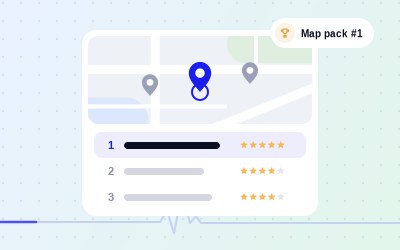
That's why so much local SEO Google My Business advice focuses on the profile alone. The profile matters most for local map SEO, but Google says its local ranking also draws on information from across the web, such as links and reviews. The rest of local SEO is about supplying that information.
| Part | What it is | What it does for you |
|---|---|---|
| Google Business Profile | Your listing on Google Search and Maps | Decides whether and how you appear in the map pack |
| Website | Your own site, with a page for each location | Supports relevance, wins web results and turns visits into enquiries |
| Citations | Listings of your name, address and phone on other sites | Confirm your details and help people find you elsewhere |
| Reviews | Ratings and reviews on Google and other sites | Build prominence and persuade people to choose you |
| Local links and mentions | Other local websites linking to or talking about you | Show Google that you're a known part of the community |
| Local content | Pages and posts about your services in your area | Help you match the way people actually search |
Your Google Business Profile: the centre of local map SEO
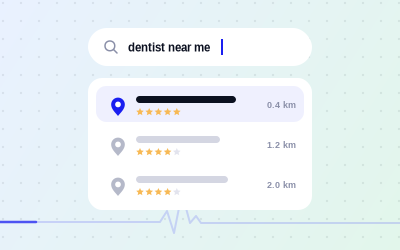
Google says local results are based mainly on relevance, distance and prominence. For any Google local business SEO work, the profile is where you control relevance most directly and where customers see your prominence, in your rating and review count. Get these right first:
- Verify the profile and keep owner access on a company account.
- Use your real business name, with no added keywords.
- Choose the most specific primary category, plus up to nine relevant additional categories.
- Add services, products, attributes, a 750-character description, accurate hours and holiday hours.
- Upload a logo, a cover photo and fresh photos of your premises, team and work.
- Ask every customer for a review, and coordinate responses to customer feedback.
- Post an update, offer or event every week or two.
Our Google My Business SEO guide goes into each ranking factor in detail, and the Google Business Profile optimisation guide covers every field. If you don't appear at all, start with why your business isn't showing on Google.
Your website: local pages that back up the profile
Your profile links to your website, and Google reads both. A website that clearly says what you do and where makes your profile more relevant, and it's where many customers decide to call or book.
- One page for each location, with its own address, phone number, hours, services, photos and a map.
- The name, address and phone number on each page match the Business Profile exactly.
- Page titles and headings that say what you do and where, such as 'Emergency plumber in Salford'.
- Each Business Profile links to its own location page, not just the home page.
- LocalBusiness structured data on location pages, so search engines can read your details reliably.
- Fast, easy pages on a phone, with a tap-to-call number and a clear booking button.
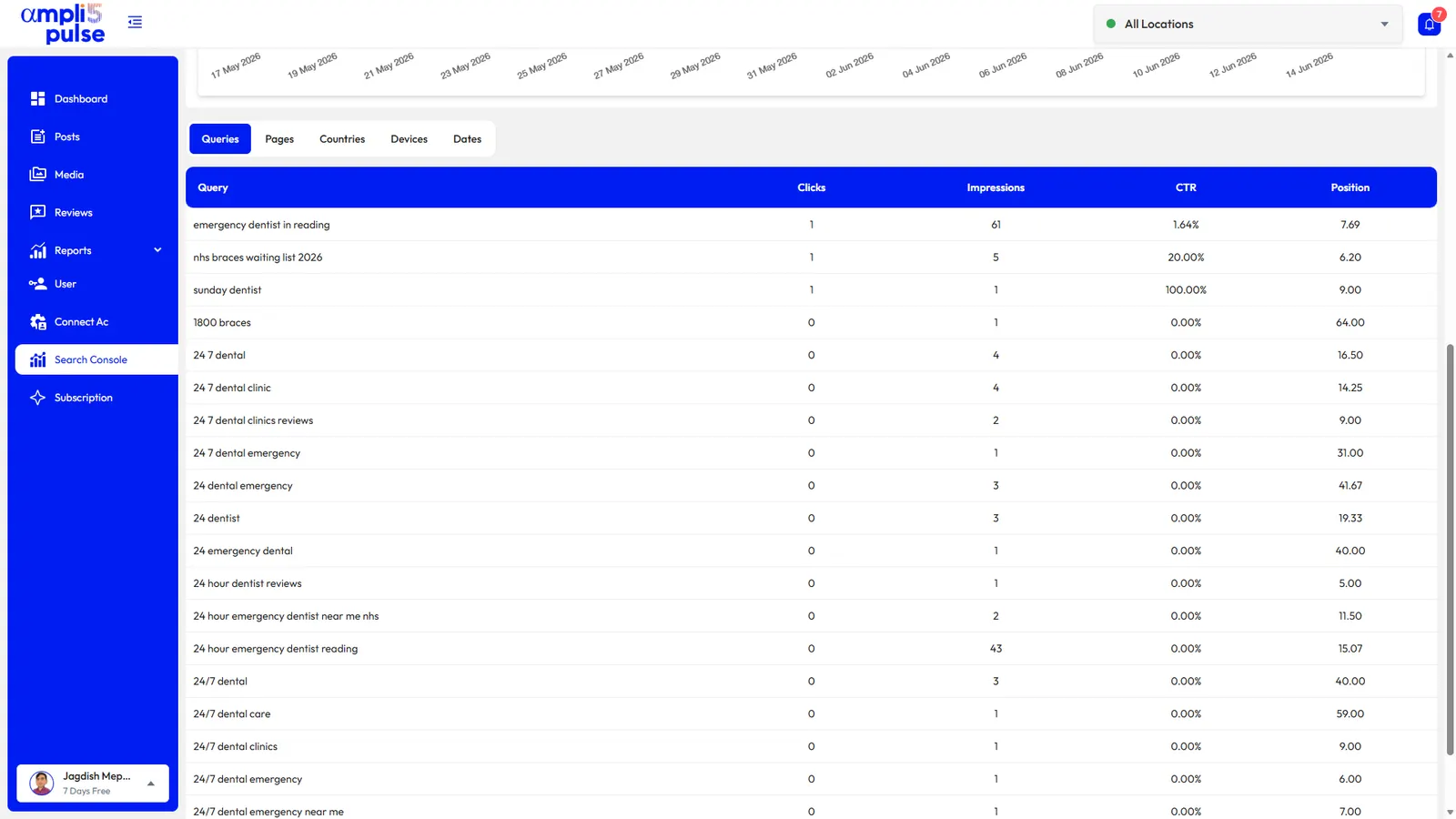
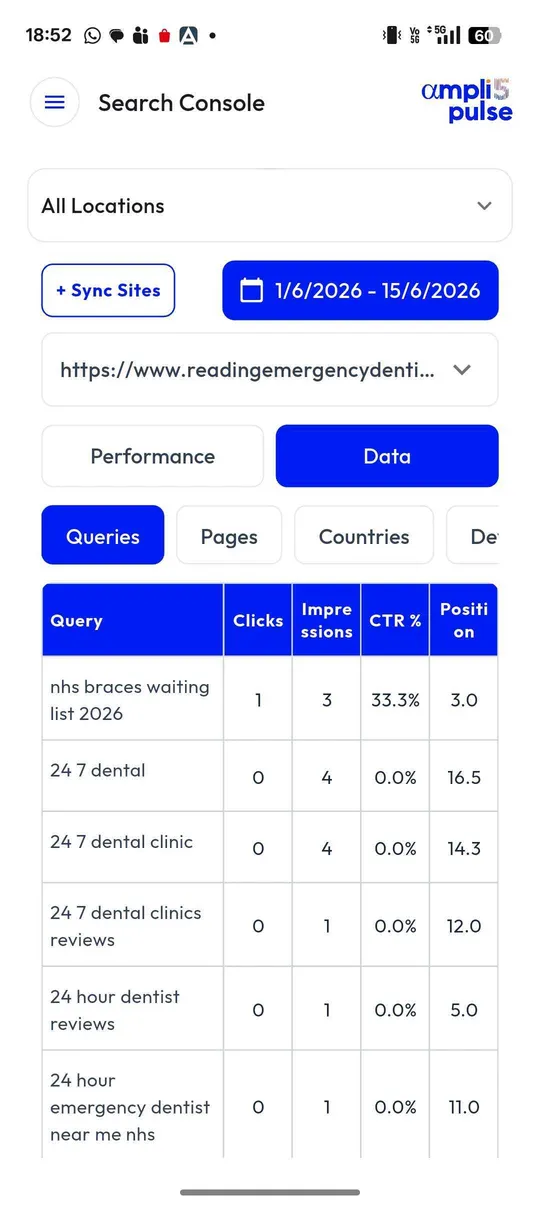
- Google Search Console set up, so you can see which local searches bring visitors.
Citations and NAP consistency
A citation is any listing of your business name, address and phone number (NAP) on another website. They help customers who search elsewhere, and they confirm to search engines that your details are real and current. What matters most is that every one is accurate and identical.
Where to list your business
- Everywhere: Bing Places for Business, Apple Business Connect (for Apple Maps) and your Facebook page.
- UK: general directories such as Yell and Thomson Local, plus trade sites like Checkatrade where they fit.
- India: directories such as Justdial, Sulekha and IndiaMART, plus sector platforms like Practo for clinics.
- Your industry: professional bodies, trade associations and well-known industry directories.
Quality beats quantity. A few accurate listings on sites people actually use are worth more than hundreds of low-quality directory entries bought in bulk.
Local links and local content
Links from other local websites are one of the clearest signs that a business is known in its area. You don't need many, but they need to be real.
- Sponsor a local team, school event or charity and ask for a link from their site.
- Join your chamber of commerce or local business network.
- Ask suppliers and partners to list you as a stockist or partner.
- Offer local journalists and bloggers a story, a comment or expert advice.
- Run or host community events and list them on local event sites.
For content, write about what local customers ask you: a guide to choosing a boiler for older terraced houses, a page on your wedding packages at a particular venue, case studies that mention the area. Avoid near-identical pages for every nearby town with only the place name swapped. Google treats those as doorway pages, and they rarely help.
How to how a Google Business Profile Fits Into Local SEO: A Practical Process
Work through the checks in order, documenting significant changes when more than one colleague manages the profile.
| Part | Relevance | Prominence | Turning searches into customers |
|---|---|---|---|
| Business Profile | Categories, services, description | Rating and review count | Photos, hours, posts, reviews |
| Website | Location pages and content | Links pointing to it | Booking, calls, trust |
| Citations | Consistent business details | Mentions across the web | Found on other platforms |
| Reviews | What customers say you do | Count, rating and replies | The main reason people choose |
| Local links | Context about your area | A strong signal of being known | Referral visits |
Distance sits outside all of this: you'll always rank best close to your address. That's why multi-location businesses need a properly managed profile and page for each location, rather than one central listing.
A 90-day local SEO plan to get started
Weeks 1–2: fix the profile
Verify, correct your name, category, address, hours and phone, fill every relevant field and upload new photos.
Weeks 3–4: build the location page
Create or improve a page for each location with matching details, link the profile to it and set up Google Search Console.
Month 2: citations and reviews
Correct or create your ten most important citations, and start asking every customer for a review with a Google review QR code or link.
Month 2: a posting rhythm
Publish a post every week or two and coordinate responses to customer feedback within a day or two.
Month 3: links and content
Go after three or four genuine local links and publish one or two useful local pages.
Every month: measure
Check Maps and Search positions for your main terms, plus calls, directions, website clicks and bookings, and adjust.